1 / Fluid interface
Port size, thread form, sealing method, connector interface and how the part meets the next component.
For flow blocks, multi-port bodies, connectors and liquid-cooling hardware, this page collects the material, thread, seal and RFQ details that help a factory review faster.
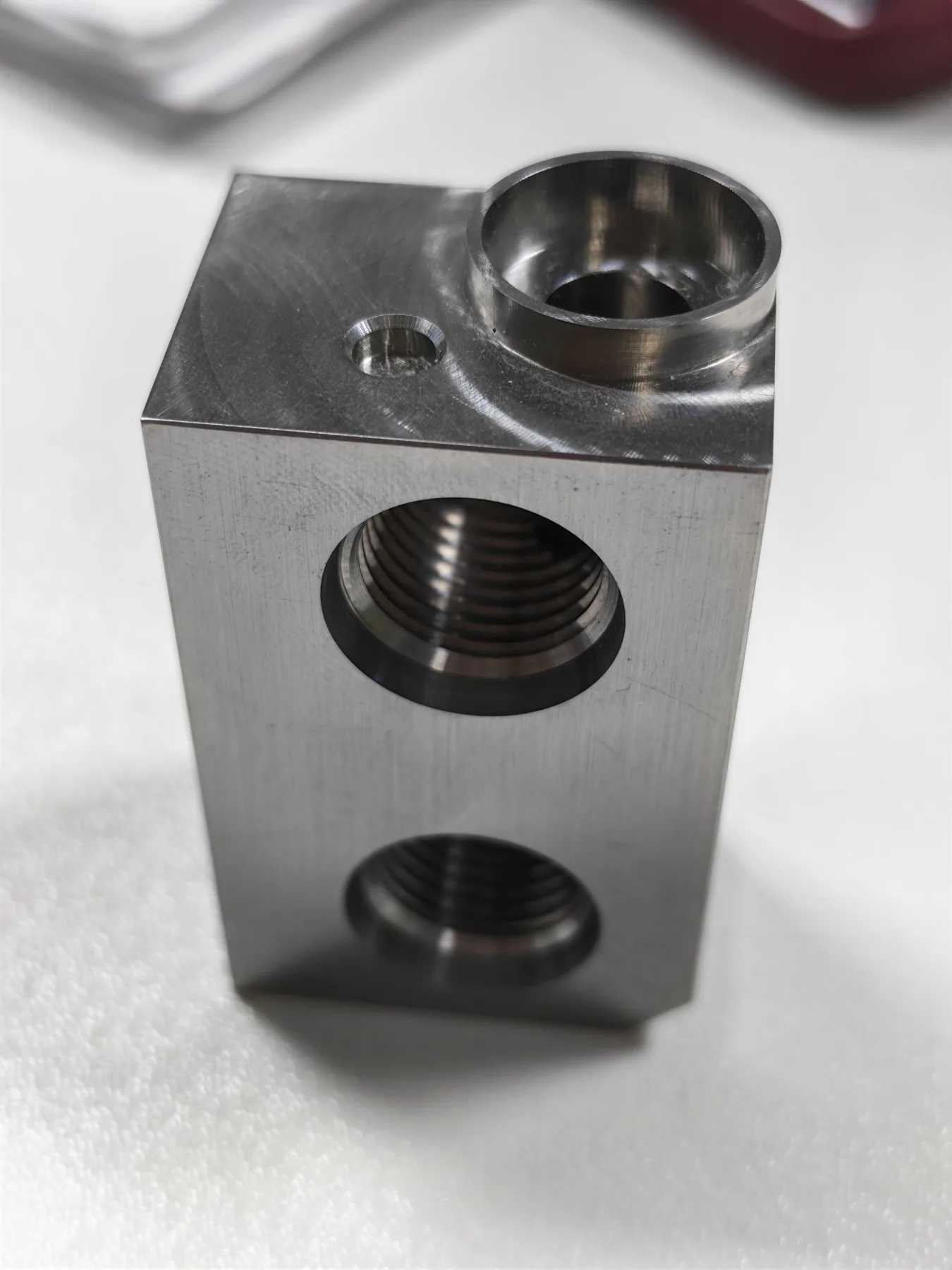
Many liquid-cooling enquiries arrive with a product image but without the information needed to quote. This page separates three things: the confirmed product evidence, the engineering data to confirm, and the files to send.
Port size, thread form, sealing method, connector interface and how the part meets the next component.
Port location, body width, clearance, bore alignment, depth and any features that affect flow or assembly.
Whether the mating face is hidden or visible, preferred surface texture, color, PVD or passivation, and visible thread areas.
Prototype quantity, batch size, inspection record, target date and whether the part will be pressure-tested or leak-tested.
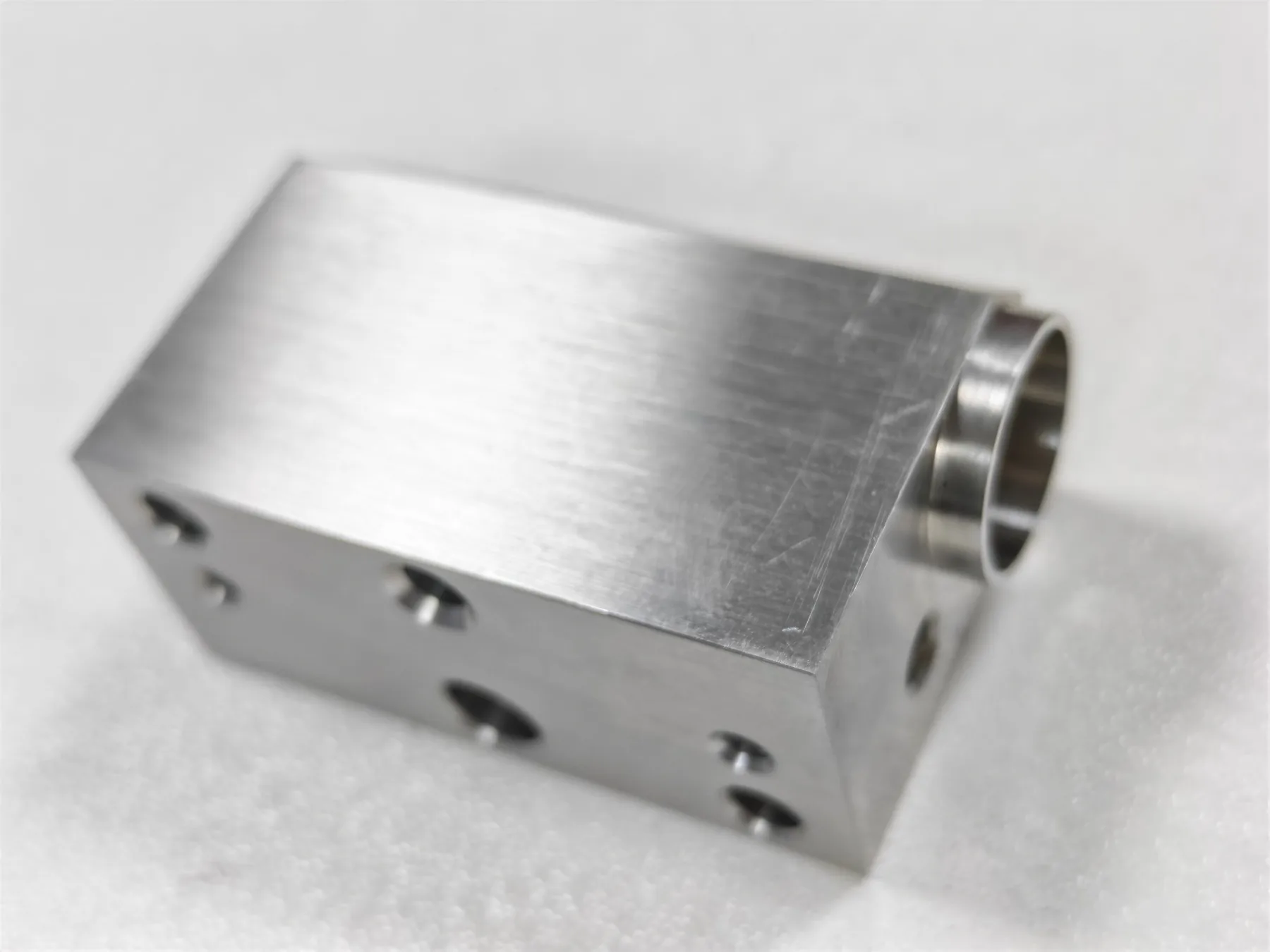
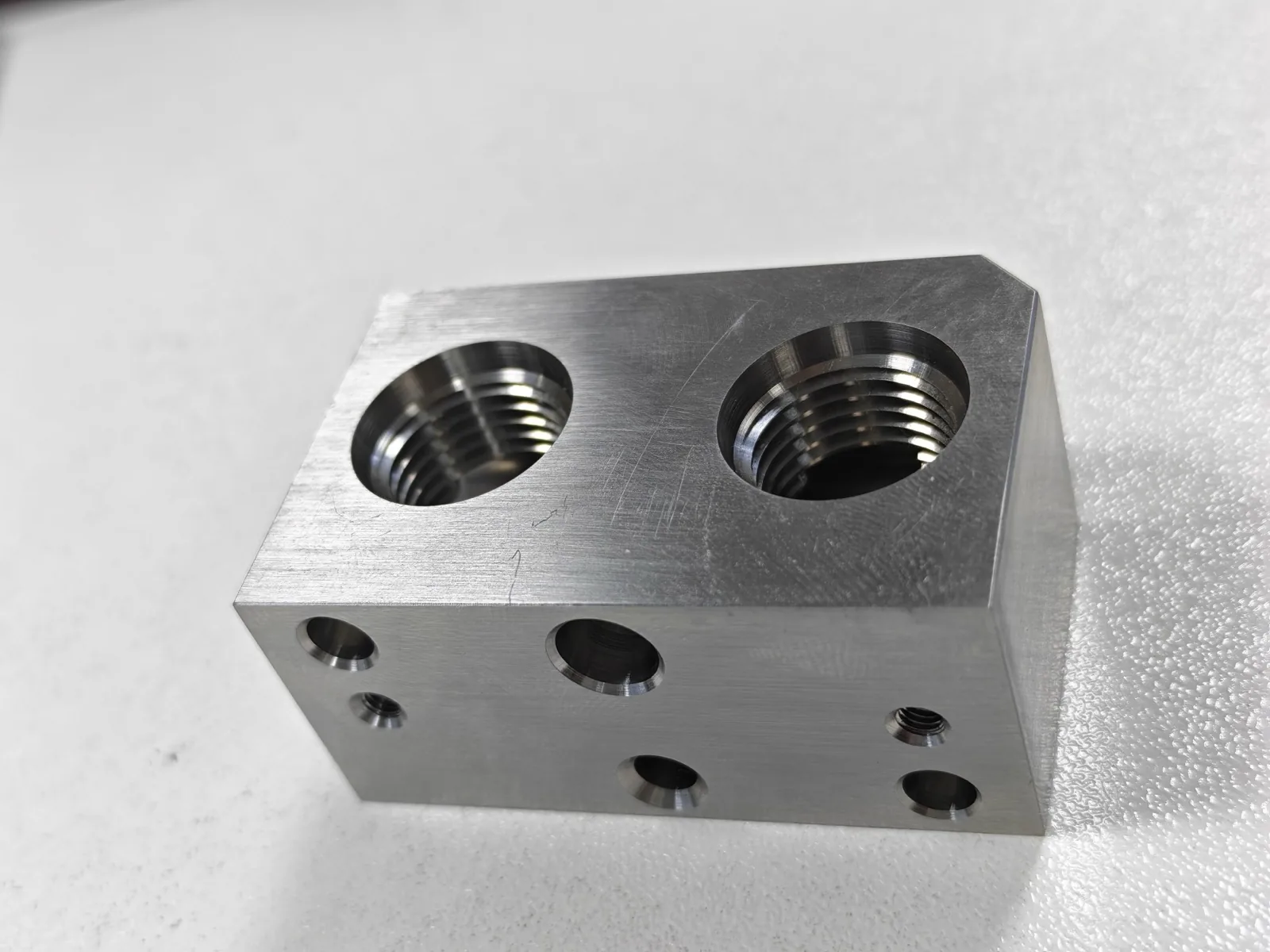
This part is presented as drawing-based custom machining evidence. It is not a claim that Zhenglong holds a liquid-cooling certification, a pressure rating, or a specific industry approval. If the buyer needs pressure, temperature, food, medical or safety qualification, that must be defined in the project scope.
The fastest quote comes when the buyer marks the critical features, not just the overall part size. For liquid-cooling hardware, the threads, port alignment and sealing faces usually decide both price and process route.
Send the drawing nowWe machine drawing-based 316 stainless parts for liquid-cooling applications. Pressure rating, temperature limits and system qualification are defined in each project specification and confirmed with the buyer before quoting.
The confirmed 316 stainless part includes a multi-port body, internal threads and connection features. The machining strategy and fixture plan are reviewed against the drawing before production.
Prototype and production quantities of 1,000+ pieces are supported. The process and inspection requirements are reviewed against each drawing before quoting.
Polishing, brushing, sandblasting, PVD coating, electroplating and passivation can be reviewed. State which surfaces are visible, which are hidden, and whether any face requires a specific roughness value.
Send a STEP or STP model, a PDF or DWG with critical dimensions marked, material confirmation, quantities, finish by area, thread form and port size specifications.